
How Hisolife Supports Therapists in Gaining New Skills and Certifications
In the rapidly evolving wellness industry, continuous education and skill development are essential for therapists to stay competitive, enhance their practice, and deliver high-quality service to their clients. Hisolife, a wellness platform, provides therapists with comprehensive resources and support to help them gain new skills, certifications, and stay ahead of industry trends. Here’s how Hisolife supports therapists in their professional growth:
1. Access to Specialized Courses and Training Programs
Hisolife offers a wide range of specialized courses and training programs designed to help therapists deepen their expertise in specific areas of wellness and therapy. These courses are carefully curated to meet the needs of both beginner and experienced therapists.
- Massage Techniques: Therapists can access courses that teach new or advanced massage techniques, such as Thai massage, aromatherapy, deep tissue, or sports massage.
- Holistic Practices: Hisolife also offers training in holistic wellness practices like reflexology, Reiki, and energy healing, allowing therapists to diversify their offerings.
- Skin and Beauty Therapies: With an increasing demand for skincare and beauty treatments, Hisolife provides training in the latest facial therapies, skin care technologies, and anti-aging treatments.
These training programs are designed to improve therapeutic skills, and some courses are recognized by international certification bodies, ensuring that therapists receive legitimate credentials upon completion.

2. Accredited Certifications and Continuing Education
Gaining certifications from well-respected organizations is an important part of a therapist’s career advancement. Hisolife partners with leading certification organizations to provide accredited courses that lead to industry-recognized certifications. This is crucial for therapists who want to expand their client base and attract new opportunities.
- International Certifications: Hisolife helps therapists earn certifications that are recognized globally, providing credibility and enhancing their professional profile.
- Continuing Education: Hisolife offers continuing education courses to ensure that therapists are up-to-date with the latest trends, techniques, and best practices in the wellness industry. These courses allow therapists to maintain certifications and stay informed about new developments in their field.
3. Workshops and Masterclasses with Industry Experts
Hisolife organizes workshops and masterclasses hosted by renowned industry experts and thought leaders. These events provide therapists with a unique opportunity to learn directly from the best in the field.
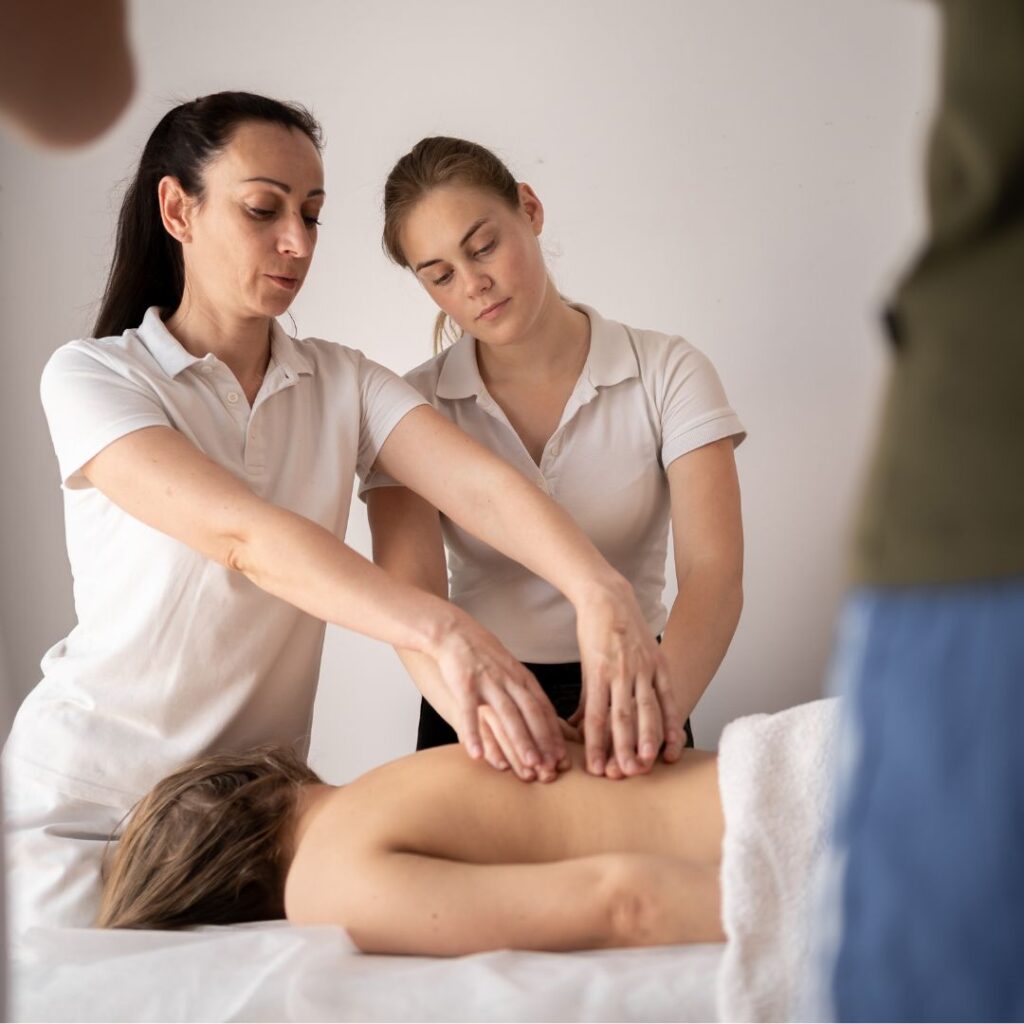
- Hands-on Learning: Therapists can participate in practical workshops where they can refine their techniques and gain real-time feedback from seasoned professionals.
- Networking Opportunities: These events also offer networking opportunities, where therapists can connect with others in the industry, exchange knowledge, and form valuable professional relationships.
- Specialized Skills: Many of these masterclasses focus on niche skills, such as integrating mindfulness into therapy sessions, advanced bodywork techniques, or using innovative wellness tools and technologies.
4. Online Learning Platform for Flexibility
Hisolife’s online learning platform allows therapists to access training courses from anywhere, at their own pace. This flexibility is especially beneficial for busy professionals who may struggle to attend in-person classes or workshops.
- Self-Paced Learning: Therapists can take courses at their convenience, allowing them to balance their professional commitments with their educational goals.
- Wide Range of Topics: The platform offers courses across multiple categories, from basic therapy techniques to advanced wellness practices, giving therapists the ability to explore new areas of expertise and develop a diverse skill set.
- Interactive Content: Many of the online courses include interactive elements, such as video tutorials, quizzes, and live webinars, ensuring that learning is engaging and effective.
5. Personalized Career Development Support
Hisolife goes beyond offering courses and certifications; it also provides personalized support to help therapists develop their careers and grow their practices. This includes:
- Career Coaching: Therapists can receive career coaching to help them identify their professional goals, create actionable plans for career advancement, and gain guidance on how to market themselves effectively.
- Business Development Resources: For those looking to expand or launch their own wellness businesses, Hisolife offers resources on business management, marketing, and client retention strategies.
- Mentorship: Through mentorship programs, experienced therapists can guide newcomers in their journey, offering advice, support, and professional insights.
6. Access to Industry Insights and Trends
Staying updated on the latest industry trends is crucial for any therapist looking to stay ahead of the curve. Hisolife provides access to industry insights and trends through blogs, newsletters, webinars, and special reports. These resources help therapists stay informed about:
- New Wellness Trends: Therapists can learn about emerging wellness trends and incorporate these into their practices, ensuring they offer up-to-date services that appeal to modern clients.
- Market Demands: Insights into market demands can guide therapists in choosing new areas to specialize in, such as mental health wellness, holistic therapies, or specific skin treatments.
- Technological Advancements: With the rise of wellness technology, therapists can stay informed about new tools and equipment that can enhance their services, such as advanced massage chairs or skin care technologies.
7. Community Support and Collaboration
Being part of a supportive community can significantly enhance a therapist’s professional development. Hisolife fosters a vibrant online community where therapists can share experiences, ask questions, and collaborate.
- Peer Support: The platform allows therapists to interact with one another, share challenges and successes, and seek advice or mentorship from experienced professionals.
- Collaboration Opportunities: Therapists can find collaboration opportunities, whether it’s working together on client projects or sharing resources to enhance their collective knowledge base.
8. Opportunities for Career Advancement
For therapists who are looking to advance in their careers, Hisolife provides access to job boards, internship opportunities, and connections with wellness centers, spas, and other health-related organizations. These opportunities give therapists access to:
- Job Opportunities: Hisolife’s network can help therapists find job openings or freelance opportunities in wellness businesses and healthcare settings.
- Internships and Apprenticeships: New therapists or those looking to gain experience in a specific area can access internship or apprenticeship programs that provide hands-on experience under the guidance of seasoned professionals.
Conclusion
Hisolife offers a comprehensive suite of resources and tools to help therapists advance their skills and gain certifications. From specialized courses and accredited certifications to workshops with industry experts and personalized career support, Hisolife provides therapists with the knowledge and opportunities they need to grow professionally. Whether you’re looking to deepen your current expertise, explore new techniques, or advance your career in the wellness industry, Hisolife is an invaluable partner in your journey toward success.
2026 SEO update: How Hisolife Supports Therapists in Gaining New Skills and Certifications
Updated for 2026, this guide on How Hisolife Supports Therapists in Gaining New Skills and Certifications should be read against a faster-moving wellness market. Recent industry data shows that skills-based hiring is becoming central to quality hiring and talent gap management, while related research notes that tourism businesses continue to face labour shortages, skills gaps and retention pressure. For wellness candidates, spa teams and hiring managers, that means the topic is no longer just an editorial trend; it affects hiring, training, client trust, pricing and how people choose premium wellness experiences in Thailand and beyond. The practical takeaway is to connect the article’s original advice with sharper evidence: define the skill or service clearly, explain how it improves guest outcomes, and make the next step easy through browse spa and wellness jobs, submit a wellness resume and Wellness Salary Guide 2026. Thailand is also receiving more wellness attention, with current tourism and wellness news showing that the global wellness economy reached $6.8 trillion in 2024 and is projected to keep growing toward 2029. A stronger SEO-friendly version of this article therefore needs useful internal links, credible references, and clear answers to the questions readers are likely to search before they apply, hire, book or compare options.
HiSoLife internal update
HiSoLife update: candidates who are reading about spa therapist career growth can turn the advice into a practical career step. Start with browse spa and wellness jobs, prepare a profile through submit a wellness resume, then use the Wellness Salary Guide 2026 to compare expectations before applying. This gives the article a clearer conversion path while keeping the reader experience helpful rather than sales-heavy.
Related HiSoLife resources
- browse spa and wellness jobs
- submit a wellness resume
- candidate dashboard
- Wellness Salary Guide 2026
- wellness job categories
References and further reading
- LinkedIn, Future of Recruiting 2025 — skills-based hiring is becoming central to quality hiring and talent gap management.
- OECD, strengthening the tourism workforce — tourism businesses continue to face labour shortages, skills gaps and retention pressure.
- Global Wellness Institute, 2025 Global Wellness Economy Monitor — the global wellness economy reached $6.8 trillion in 2024 and is projected to keep growing toward 2029.
- U.S. Bureau of Labor Statistics, Massage Therapists outlook — massage therapist employment is projected to grow 15 percent from 2024 to 2034.
Mini FAQ: How Hisolife Supports Therapists in Gaining New Skills and Certifications
How should candidates position themselves around spa therapist career growth in 2026?
The first update is to turn spa therapist career growth from a broad idea into a clear decision framework. For this article, that means reading How Hisolife Supports Therapists in Gaining New Skills and Certifications as practical guidance for what a reader should do next. The 2026 context matters because wellness is no longer a narrow luxury category: LinkedIn, Future of Recruiting 2025 notes that skills-based hiring is becoming central to quality hiring and talent gap management; OECD, strengthening the tourism workforce notes that tourism businesses continue to face labour shortages, skills gaps and retention pressure. A reader should therefore ask what outcome the topic supports: better hiring, stronger guest retention, safer treatment choices, clearer compensation, or a more credible career path. The SEO-friendly answer is to make that outcome explicit. Instead of saying that wellness is important, the article should explain how this topic affects consultation, service standards, skill proof, job descriptions, client communication and follow-up. On HiSoLife, the next step should also be visible. A candidate can use browse spa and wellness jobs or submit a wellness resume; an employer can move toward candidate dashboard; and both sides can use Wellness Salary Guide 2026 to make expectations more concrete. For search intent, the useful angle is not only the definition of spa therapist career growth; it is the practical decision a reader needs to make next. A candidate may need to compare roles, update a profile, or understand which training signals credibility. An employer may need to separate a polished CV from a reliable service professional who can protect guest trust over time. That is why this answer connects the topic to measurable actions rather than broad lifestyle language.
What training or proof matters most for spa therapist career growth?
The main risk is treating spa therapist career growth as a phrase instead of a capability. Search readers usually arrive with a problem: they want to hire someone, get hired, compare a service, understand a skill, or decide whether an experience is worth their time. A weak article answers that problem with generic claims. A stronger article gives criteria. For a spa employer, that may mean checking hands-on technique, consultation language, punctuality, hygiene habits, retail ethics, rebooking behavior and the ability to match a service to a guest’s real needs. For a candidate, it may mean showing certificates, before-and-after case notes where appropriate, training logs, client communication examples and evidence of reliability. Current references support the wider point: LinkedIn, Future of Recruiting 2025 notes that skills-based hiring is becoming central to quality hiring and talent gap management; Global Wellness Institute, 2025 Global Wellness Economy Monitor notes that the global wellness economy reached $6.8 trillion in 2024 and is projected to keep growing toward 2029. HiSoLife can support that decision path with browse spa and wellness jobs, candidate dashboard and wellness job categories. The practical SEO gain is that the page becomes useful for long-tail searches rather than only repeating the title. For search intent, the useful angle is not only the definition of spa therapist career growth; it is the practical decision a reader needs to make next. A candidate may need to compare roles, update a profile, or understand which training signals credibility. An employer may need to separate a polished CV from a reliable service professional who can protect guest trust over time. That is why this answer connects the topic to measurable actions rather than broad lifestyle language.
How can employers assess candidates fairly in this area?
The most important skills depend on the angle of spa therapist career growth, but the same principle applies across spa, beauty, massage, facial therapy, wellness sales and management: the reader needs proof. Technical knowledge is only one layer. A strong professional also needs consultation skills, client boundaries, product or modality literacy, hygiene discipline, time management and the ability to explain recommendations without pressure. For management and recruitment topics, employers should add structured interviews, practical tests, reference checks and onboarding milestones. For skincare or wellness experience topics, readers should look for credible training, transparent claims and realistic aftercare guidance. This matters in 2026 because OECD, strengthening the tourism workforce notes that tourism businesses continue to face labour shortages, skills gaps and retention pressure, and because LinkedIn, Future of Recruiting 2025 notes that skills-based hiring is becoming central to quality hiring and talent gap management. Inside HiSoLife, the article should guide readers toward concrete pages: browse spa and wellness jobs for opportunity discovery, Wellness Salary Guide 2026 for compensation or expectation checks, and wellness job categories for deeper exploration. That internal structure helps users and search engines understand the topic cluster. For search intent, the useful angle is not only the definition of spa therapist career growth; it is the practical decision a reader needs to make next. A candidate may need to compare roles, update a profile, or understand which training signals credibility. An employer may need to separate a polished CV from a reliable service professional who can protect guest trust over time. That is why this answer connects the topic to measurable actions rather than broad lifestyle language.
Which HiSoLife pages help readers act on this advice?
HiSoLife helps by connecting the informational part of spa therapist career growth with the marketplace action that usually follows. A blog article can explain the concept, but the reader often needs somewhere to go next. If the reader is a candidate, the useful path is to review open roles, prepare a stronger resume, compare salary expectations and return to the article’s checklist before applying. If the reader is an employer, the useful path is to define the role, publish the job, compare candidates and keep the article as a standard for interviews or onboarding. The internal links in this refresh are designed for that behavior. They point to pages such as browse spa and wellness jobs, submit a wellness resume, candidate dashboard and Wellness Salary Guide 2026 with descriptive anchors rather than vague words like “here” or “learn more.” That is better for SEO and for people. It also keeps older articles useful by connecting them to current site assets, including the salary guide and recruitment pages. References such as LinkedIn, Future of Recruiting 2025 and OECD, strengthening the tourism workforce give the article external context, while the internal pathway gives it commercial relevance. For search intent, the useful angle is not only the definition of spa therapist career growth; it is the practical decision a reader needs to make next. A candidate may need to compare roles, update a profile, or understand which training signals credibility. An employer may need to separate a polished CV from a reliable service professional who can protect guest trust over time. That is why this answer connects the topic to measurable actions rather than broad lifestyle language.
How can a professional keep this career path sustainable?
Success should be measured by whether the article helps a reader make a better decision after searching for spa therapist career growth. For an employer, useful metrics include higher-quality applicants, fewer unsuitable interviews, faster shortlist creation, better retention after onboarding and clearer compensation conversations. For a candidate, useful metrics include profile completeness, applications to better-matched roles, interview readiness and confidence explaining skills. For a wellness or skincare reader, useful metrics include safer expectations, better questions during consultation and a clearer understanding of what evidence supports a treatment or service. The article should therefore avoid exaggerated promises and focus on practical outcomes. It should link to references like LinkedIn, Future of Recruiting 2025 and Global Wellness Institute, 2025 Global Wellness Economy Monitor when discussing market trends, and it should link internally to browse spa and wellness jobs, Wellness Salary Guide 2026 and wellness job categories when guiding the next step. That combination is what makes the refresh SEO friendly: it improves topical relevance, adds authority signals, creates descriptive internal links and gives the reader enough depth to stay on the page longer. For search intent, the useful angle is not only the definition of spa therapist career growth; it is the practical decision a reader needs to make next. A candidate may need to compare roles, update a profile, or understand which training signals credibility. An employer may need to separate a polished CV from a reliable service professional who can protect guest trust over time. That is why this answer connects the topic to measurable actions rather than broad lifestyle language.