The History and Evolution of Thai Spa Culture
The History and Evolution of Thai Spa Culture
Thai spa
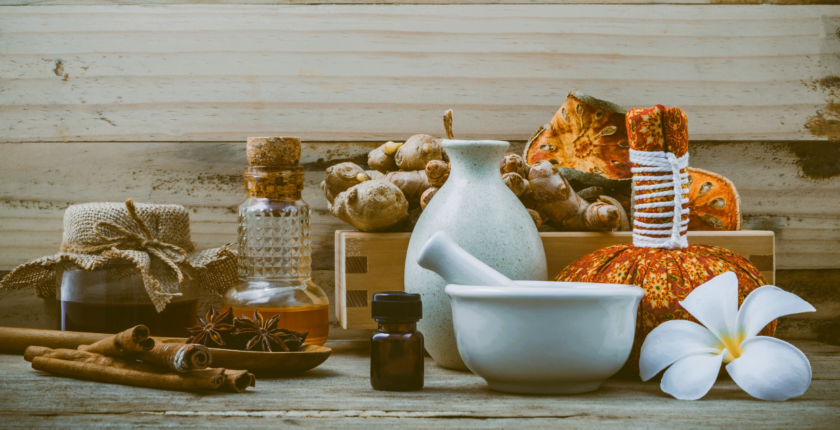
Thai spa experiences offer a holistic approach to wellness, incorporating ancient healing traditions with modern comfort. Traditional Thai massages, herbal therapies, and meditation techniques are often central to these spa treatments, aiming to harmonize the body, mind, and spirit. Luxury Thai spas, both in Thailand and globally, provide an immersive environment that combines authentic practices with contemporary amenities, offering individuals a rejuvenating and culturally rich wellness experience.
The history of Thai spa Culture
The history of Thai spa culture is deeply rooted in the country’s ancient traditions and holistic approach to well-being. Traditional Thai spa practices find their origins in indigenous healing methods, local herbs, and the rich cultural tapestry of Thailand.
Ancient Roots
Thai spa culture traces its roots to ancient Thai healing practices, which were often intertwined with Buddhism. Temples served as centers for the dissemination of traditional healing knowledge, incorporating techniques such as massage, herbal remedies, and meditation. These practices aimed not only at physical healing but also at achieving a balance of mind and spirit.
Influences from Ayurveda and Chinese Medicine
Over the centuries, Thai spa culture absorbed influences from neighboring cultures, particularly Ayurveda from India and Chinese medicine. This fusion of knowledge enriched traditional Thai healing, contributing to the diverse array of therapies that form the basis of Thai spa treatments.
Royal Patronage
Thai royalty historically played a significant role in promoting and preserving traditional healing practices. The patronage of Thai kings contributed to the formalization and documentation of these practices, ensuring their continuity through generations.
Globalization and Modernization
In the modern era, Thai spa culture has become a global phenomenon. With increased tourism and global interest in wellness, traditional Thai spa treatments gained popularity worldwide. Luxury spas in Thailand and beyond offer a range of experiences, blending ancient practices with modern amenities.
Diversity of Treatments
Today, Thai spa culture encompasses a wide variety of treatments, from traditional Thai massages and herbal compress therapies to innovative spa rituals. The emphasis remains on holistic well-being, promoting harmony between the body, mind, and spirit.
In essence, the history of Thai spa culture reflects a dynamic interplay between ancient traditions, cultural influences, and a modern approach to wellness, creating a unique and enduring legacy.
The Evolution of Thai Spa Culture
The evolution of Thai Spa Culture has been a dynamic journey, blending ancient traditions with modern trends to create a unique and globally recognized wellness experience.
Ancient Roots and Traditional Practices
Thai spa culture has its foundation in ancient healing practices, such as Thai massage, herbal therapies, and meditation. Rooted in indigenous wisdom, these practices were originally passed down through generations and practiced in temples, emphasizing the interconnectedness of body, mind, and spirit.
Royal Endorsement and Formalization
Historically, Thai royalty played a vital role in endorsing and formalizing traditional healing practices. The support of Thai kings helped elevate these practices, leading to their preservation and documentation, contributing to the cultural heritage of Thailand.
Fusion with Global Wellness Trends
With the rise of globalization and a growing interest in wellness, Thai spa culture expanded its reach. Traditional practices found resonance with a global audience seeking holistic well-being. The fusion of Thai techniques with global wellness trends has made Thai spas popular worldwide.
Luxury Spa Resorts and Modern Amenities
The emergence of luxury spa resorts in Thailand and beyond marked a significant shift. While preserving traditional techniques, these resorts incorporated modern amenities, creating a harmonious blend of authenticity and comfort to cater to a diverse clientele.
Adaptation and Innovation
Thai spa culture continually adapts to meet the changing needs of individuals seeking relaxation and rejuvenation. Innovation in treatments, incorporation of new therapies, and a focus on personalized wellness experiences have kept Thai spas relevant and appealing.
Global Recognition and Influence
Thai spa culture’s evolution has led to global recognition, with people from various cultures seeking out authentic Thai spa experiences. The influence of Thai spa practices is evident in the integration of Thai-inspired treatments in spas worldwide.
Holistic Well-Being and Mindfulness
Throughout its evolution, Thai spa culture has maintained a core emphasis on holistic well-being. Practices promoting mindfulness, balance, and harmony between the physical, mental, and spiritual aspects of an individual continue to be central to Thai spa experiences.
In summary, the evolution of Thai Spa Culture reflects a harmonious blend of tradition and modernity, creating an enduring and widely embraced wellness legacy.
2026 SEO update: The History and Evolution of Thai Spa Culture
Updated for 2026, this guide on The History and Evolution of Thai Spa Culture should be read against a faster-moving wellness market. Recent industry data shows that the global wellness economy reached $6.8 trillion in 2024 and is projected to keep growing toward 2029, while related research notes that wellness has become a daily, personalized priority across health, sleep, nutrition, fitness, appearance and mindfulness. For wellness professionals, employers and candidates, that means the topic is no longer just an editorial trend; it affects hiring, training, client trust, pricing and how people choose premium wellness experiences in Thailand and beyond. The practical takeaway is to connect the article’s original advice with sharper evidence: define the skill or service clearly, explain how it improves guest outcomes, and make the next step easy through browse spa and wellness jobs, spa and wellness recruitment support and Wellness Salary Guide 2026. Thailand is also receiving more wellness attention, with current tourism and wellness news showing that TAT framed wellness travel through “Healing is the New Luxury” in June 2026. A stronger SEO-friendly version of this article therefore needs useful internal links, credible references, and clear answers to the questions readers are likely to search before they apply, hire, book or compare options.
HiSoLife internal update
HiSoLife update: this article now connects broader wellness inspiration with practical next steps inside the marketplace. Readers can continue to browse spa and wellness jobs, compare industry expectations in the Wellness Salary Guide 2026, or explore more HiSoLife blog guides. This keeps lifestyle and trend content connected to the site’s core positioning around wellness careers, spa teams and premium service quality.
Related HiSoLife resources
- browse spa and wellness jobs
- spa and wellness recruitment support
- submit a wellness resume
- Wellness Salary Guide 2026
- HiSoLife blog guides
References and further reading
- Global Wellness Institute, 2025 Global Wellness Economy Monitor — the global wellness economy reached $6.8 trillion in 2024 and is projected to keep growing toward 2029.
- McKinsey, Future of Wellness trends survey 2025 — wellness has become a daily, personalized priority across health, sleep, nutrition, fitness, appearance and mindfulness.
- Tourism Authority of Thailand, Global Wellness Day 2026 — TAT framed wellness travel through “Healing is the New Luxury” in June 2026.
- World Health Organization, physical activity fact sheet — many adults do not meet global recommendations for at least 150 minutes of moderate activity each week.
Mini FAQ: The History and Evolution of Thai Spa Culture
Why does wellness industry careers matter for Thailand’s wellness market in 2026?
The first update is to turn wellness industry careers from a broad idea into a clear decision framework. For this article, that means reading The History and Evolution of Thai Spa Culture as practical guidance for what a reader should do next. The 2026 context matters because wellness is no longer a narrow luxury category: Global Wellness Institute, 2025 Global Wellness Economy Monitor notes that the global wellness economy reached $6.8 trillion in 2024 and is projected to keep growing toward 2029; McKinsey, Future of Wellness trends survey 2025 notes that wellness has become a daily, personalized priority across health, sleep, nutrition, fitness, appearance and mindfulness. A reader should therefore ask what outcome the topic supports: better hiring, stronger guest retention, safer treatment choices, clearer compensation, or a more credible career path. The SEO-friendly answer is to make that outcome explicit. Instead of saying that wellness is important, the article should explain how this topic affects consultation, service standards, skill proof, job descriptions, client communication and follow-up. On HiSoLife, the next step should also be visible. A candidate can use browse spa and wellness jobs or spa and wellness recruitment support; an employer can move toward submit a wellness resume; and both sides can use Wellness Salary Guide 2026 to make expectations more concrete.
How can readers separate a real trend from luxury marketing?
The main risk is treating wellness industry careers as a phrase instead of a capability. Search readers usually arrive with a problem: they want to hire someone, get hired, compare a service, understand a skill, or decide whether an experience is worth their time. A weak article answers that problem with generic claims. A stronger article gives criteria. For a spa employer, that may mean checking hands-on technique, consultation language, punctuality, hygiene habits, retail ethics, rebooking behavior and the ability to match a service to a guest’s real needs. For a candidate, it may mean showing certificates, before-and-after case notes where appropriate, training logs, client communication examples and evidence of reliability. Current references support the wider point: Global Wellness Institute, 2025 Global Wellness Economy Monitor notes that the global wellness economy reached $6.8 trillion in 2024 and is projected to keep growing toward 2029; Tourism Authority of Thailand, Global Wellness Day 2026 notes that TAT framed wellness travel through “Healing is the New Luxury” in June 2026. HiSoLife can support that decision path with browse spa and wellness jobs, submit a wellness resume and HiSoLife blog guides. The practical SEO gain is that the page becomes useful for long-tail searches rather than only repeating the title.
What should wellness operators do after reading this article?
The most important skills depend on the angle of wellness industry careers, but the same principle applies across spa, beauty, massage, facial therapy, wellness sales and management: the reader needs proof. Technical knowledge is only one layer. A strong professional also needs consultation skills, client boundaries, product or modality literacy, hygiene discipline, time management and the ability to explain recommendations without pressure. For management and recruitment topics, employers should add structured interviews, practical tests, reference checks and onboarding milestones. For skincare or wellness experience topics, readers should look for credible training, transparent claims and realistic aftercare guidance. This matters in 2026 because McKinsey, Future of Wellness trends survey 2025 notes that wellness has become a daily, personalized priority across health, sleep, nutrition, fitness, appearance and mindfulness, and because Global Wellness Institute, 2025 Global Wellness Economy Monitor notes that the global wellness economy reached $6.8 trillion in 2024 and is projected to keep growing toward 2029. Inside HiSoLife, the article should guide readers toward concrete pages: browse spa and wellness jobs for opportunity discovery, Wellness Salary Guide 2026 for compensation or expectation checks, and HiSoLife blog guides for deeper exploration. That internal structure helps users and search engines understand the topic cluster. For search intent, the useful angle is not only the definition of wellness industry careers; it is the practical decision a reader needs to make next. A candidate may need to compare roles, update a profile, or understand which training signals credibility. An employer may need to separate a polished CV from a reliable service professional who can protect guest trust over time. That is why this answer connects the topic to measurable actions rather than broad lifestyle language.
How does HiSoLife connect this topic to practical opportunities?
HiSoLife helps by connecting the informational part of wellness industry careers with the marketplace action that usually follows. A blog article can explain the concept, but the reader often needs somewhere to go next. If the reader is a candidate, the useful path is to review open roles, prepare a stronger resume, compare salary expectations and return to the article’s checklist before applying. If the reader is an employer, the useful path is to define the role, publish the job, compare candidates and keep the article as a standard for interviews or onboarding. The internal links in this refresh are designed for that behavior. They point to pages such as browse spa and wellness jobs, spa and wellness recruitment support, submit a wellness resume and Wellness Salary Guide 2026 with descriptive anchors rather than vague words like “here” or “learn more.” That is better for SEO and for people. It also keeps older articles useful by connecting them to current site assets, including the salary guide and recruitment pages. References such as Global Wellness Institute, 2025 Global Wellness Economy Monitor and McKinsey, Future of Wellness trends survey 2025 give the article external context, while the internal pathway gives it commercial relevance. For search intent, the useful angle is not only the definition of wellness industry careers; it is the practical decision a reader needs to make next. A candidate may need to compare roles, update a profile, or understand which training signals credibility. An employer may need to separate a polished CV from a reliable service professional who can protect guest trust over time. That is why this answer connects the topic to measurable actions rather than broad lifestyle language.
What should readers check before making a wellness decision?
Success should be measured by whether the article helps a reader make a better decision after searching for wellness industry careers. For an employer, useful metrics include higher-quality applicants, fewer unsuitable interviews, faster shortlist creation, better retention after onboarding and clearer compensation conversations. For a candidate, useful metrics include profile completeness, applications to better-matched roles, interview readiness and confidence explaining skills. For a wellness or skincare reader, useful metrics include safer expectations, better questions during consultation and a clearer understanding of what evidence supports a treatment or service. The article should therefore avoid exaggerated promises and focus on practical outcomes. It should link to references like Global Wellness Institute, 2025 Global Wellness Economy Monitor and Tourism Authority of Thailand, Global Wellness Day 2026 when discussing market trends, and it should link internally to browse spa and wellness jobs, Wellness Salary Guide 2026 and HiSoLife blog guides when guiding the next step. That combination is what makes the refresh SEO friendly: it improves topical relevance, adds authority signals, creates descriptive internal links and gives the reader enough depth to stay on the page longer. For search intent, the useful angle is not only the definition of wellness industry careers; it is the practical decision a reader needs to make next. A candidate may need to compare roles, update a profile, or understand which training signals credibility. An employer may need to separate a polished CV from a reliable service professional who can protect guest trust over time. That is why this answer connects the topic to measurable actions rather than broad lifestyle language.