
The Top Features of Hisolife Every Therapist Should Be Using
In the modern wellness industry, technology plays a crucial role to enhance efficiency and improve client experiences. Hisolife, a leading spa and wellness management software, is designed to help therapists and business owners streamline their daily operations. From appointment scheduling to client management and performance tracking, Hisolife offers powerful tools that every therapist should be using to optimize their services and support career development through improved organization and professional growth.
1. Smart Appointment Scheduling
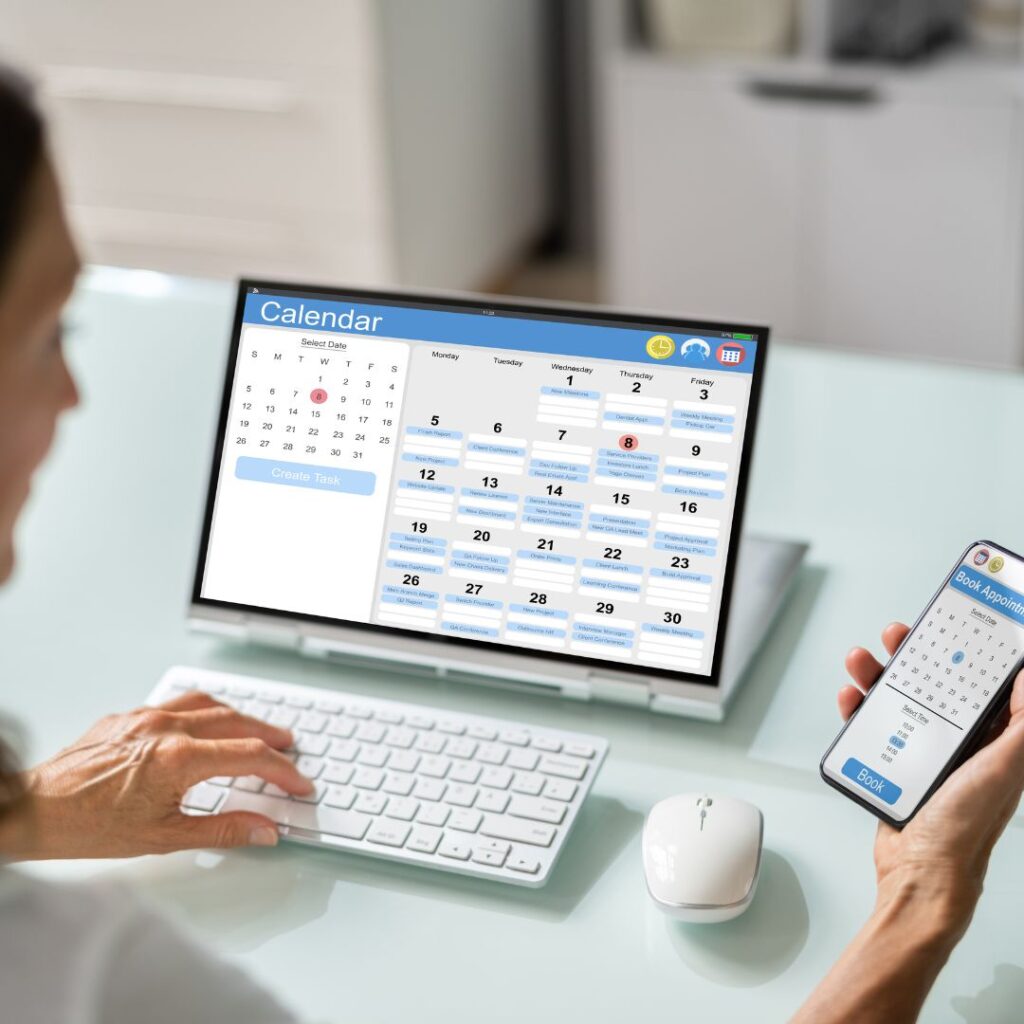
One of the standout features of Hisolife is its intelligent appointment scheduling system. Therapists can easily manage bookings, reduce scheduling conflicts, and ensure smooth day-to-day operations. Clients can book sessions online, receive automated confirmations, and get reminders to reduce last-minute cancellations. This feature helps therapists stay organized and maximize their available time.
2. Client History and Preferences Tracking
Understanding a client’s history and preferences is key to delivering personalized services. Hisolife’s client management system records past treatments, health conditions, and preferences such as massage pressure, essential oil choices, or specific focus areas. This allows therapists to provide a more customized experience, leading to higher client satisfaction and repeat bookings.
3. Digital Consultation Forms
Gone are the days of paper forms. Hisolife allows therapists to collect digital consultation forms before sessions, ensuring they have all the necessary information about a client’s health conditions, allergies, and therapy goals. This not only saves time but also enhances accuracy and efficiency in client assessments.
4. Performance and Revenue Tracking
Hisolife provides detailed performance analytics to help therapists track their sessions, earnings, and customer feedback. With built-in reporting tools, therapists can analyze their busiest hours, best-selling treatments, and even client retention rates. This data-driven approach helps improve productivity and revenue over time.
5. Integrated Payment Processing
Hisolife simplifies transactions with seamless payment integration, allowing clients to pay online, through mobile wallets, or via credit/debit cards. Therapists can also set up promotional discounts, package deals, and membership options, making payments more flexible and convenient for clients.

6. Automated Marketing and Client Engagement
To help therapists maintain strong relationships with their clients, Hisolife includes automated marketing tools such as email campaigns, SMS reminders, and personalized offers. Birthday discounts, loyalty rewards, and seasonal promotions can be easily set up to encourage repeat visits and long-term client loyalty.
7. Staff and Resource Management
For spa owners and multi-therapist teams, Hisolife provides an efficient staff and resource management system. It assigns therapists based on availability, tracks working hours, and ensures treatment rooms and equipment are used optimally. This feature helps businesses run smoothly and avoids overbooking or resource shortages.
8. Mobile Accessibility
Therapists on the go will appreciate Hisolife’s mobile-friendly interface, which allows access to schedules, client notes, and reports from anywhere. Whether working in a spa, hotel, or private setting, therapists can stay connected and manage their work effortlessly.
Conclusion
Hisolife is more than just scheduling software—it’s a comprehensive tool that enhances efficiency, improves client experiences, and boosts revenue. Therapists who integrate these top features into their daily operations will not only save time but also build stronger relationships with their clients. Whether you’re a solo practitioner or part of a large wellness center, Hisolife is the perfect solution to streamline and grow your business.
2026 SEO update: The Top Features of Hisolife Every Therapist Should Be Using
Updated for 2026, this guide on The Top Features of Hisolife Every Therapist Should Be Using should be read against a faster-moving wellness market. Recent industry data shows that skills-based hiring is becoming central to quality hiring and talent gap management, while related research notes that tourism businesses continue to face labour shortages, skills gaps and retention pressure. For spa owners, hotel wellness directors and recruitment teams, that means the topic is no longer just an editorial trend; it affects hiring, training, client trust, pricing and how people choose premium wellness experiences in Thailand and beyond. The practical takeaway is to connect the article’s original advice with sharper evidence: define the skill or service clearly, explain how it improves guest outcomes, and make the next step easy through spa and wellness recruitment support, browse qualified wellness candidates and Wellness Salary Guide 2026. Thailand is also receiving more wellness attention, with current tourism and wellness news showing that the global wellness economy reached $6.8 trillion in 2024 and is projected to keep growing toward 2029. A stronger SEO-friendly version of this article therefore needs useful internal links, credible references, and clear answers to the questions readers are likely to search before they apply, hire, book or compare options.
HiSoLife internal update
HiSoLife update: employers can now move from reading about massage therapist recruitment and retention directly into action. Use browse qualified wellness candidates to review talent, post a spa or wellness job to publish a role, and Wellness Salary Guide 2026 to benchmark compensation before making an offer. This internal pathway is important for SEO because it connects informational content with commercial intent: a reader who searched for hiring advice can continue to a relevant employer page instead of leaving the site.
Related HiSoLife resources
- spa and wellness recruitment support
- browse qualified wellness candidates
- post a spa or wellness job
- Wellness Salary Guide 2026
- browse spa and wellness jobs
References and further reading
- LinkedIn, Future of Recruiting 2025 — skills-based hiring is becoming central to quality hiring and talent gap management.
- OECD, strengthening the tourism workforce — tourism businesses continue to face labour shortages, skills gaps and retention pressure.
- Global Wellness Institute, 2025 Global Wellness Economy Monitor — the global wellness economy reached $6.8 trillion in 2024 and is projected to keep growing toward 2029.
- U.S. Bureau of Labor Statistics, Massage Therapists outlook — massage therapist employment is projected to grow 15 percent from 2024 to 2034.
Mini FAQ: The Top Features of Hisolife Every Therapist Should Be Using
What should employers update first for massage therapist recruitment and retention in 2026?
The first update is to turn massage therapist recruitment and retention from a broad idea into a clear decision framework. For this article, that means reading The Top Features of Hisolife Every Therapist Should Be Using as practical guidance for what a reader should do next. The 2026 context matters because wellness is no longer a narrow luxury category: LinkedIn, Future of Recruiting 2025 notes that skills-based hiring is becoming central to quality hiring and talent gap management; OECD, strengthening the tourism workforce notes that tourism businesses continue to face labour shortages, skills gaps and retention pressure. A reader should therefore ask what outcome the topic supports: better hiring, stronger guest retention, safer treatment choices, clearer compensation, or a more credible career path. The SEO-friendly answer is to make that outcome explicit. Instead of saying that wellness is important, the article should explain how this topic affects consultation, service standards, skill proof, job descriptions, client communication and follow-up. On HiSoLife, the next step should also be visible. A candidate can use spa and wellness recruitment support or browse qualified wellness candidates; an employer can move toward post a spa or wellness job; and both sides can use Wellness Salary Guide 2026 to make expectations more concrete.
How can a spa avoid weak hires when recruiting around massage therapist recruitment and retention?
The main risk is treating massage therapist recruitment and retention as a phrase instead of a capability. Search readers usually arrive with a problem: they want to hire someone, get hired, compare a service, understand a skill, or decide whether an experience is worth their time. A weak article answers that problem with generic claims. A stronger article gives criteria. For a spa employer, that may mean checking hands-on technique, consultation language, punctuality, hygiene habits, retail ethics, rebooking behavior and the ability to match a service to a guest’s real needs. For a candidate, it may mean showing certificates, before-and-after case notes where appropriate, training logs, client communication examples and evidence of reliability. Current references support the wider point: LinkedIn, Future of Recruiting 2025 notes that skills-based hiring is becoming central to quality hiring and talent gap management; Global Wellness Institute, 2025 Global Wellness Economy Monitor notes that the global wellness economy reached $6.8 trillion in 2024 and is projected to keep growing toward 2029. HiSoLife can support that decision path with spa and wellness recruitment support, post a spa or wellness job and browse spa and wellness jobs. The practical SEO gain is that the page becomes useful for long-tail searches rather than only repeating the title.
Which skills should be checked before making an offer?
The most important skills depend on the angle of massage therapist recruitment and retention, but the same principle applies across spa, beauty, massage, facial therapy, wellness sales and management: the reader needs proof. Technical knowledge is only one layer. A strong professional also needs consultation skills, client boundaries, product or modality literacy, hygiene discipline, time management and the ability to explain recommendations without pressure. For management and recruitment topics, employers should add structured interviews, practical tests, reference checks and onboarding milestones. For skincare or wellness experience topics, readers should look for credible training, transparent claims and realistic aftercare guidance. This matters in 2026 because OECD, strengthening the tourism workforce notes that tourism businesses continue to face labour shortages, skills gaps and retention pressure, and because LinkedIn, Future of Recruiting 2025 notes that skills-based hiring is becoming central to quality hiring and talent gap management. Inside HiSoLife, the article should guide readers toward concrete pages: spa and wellness recruitment support for opportunity discovery, Wellness Salary Guide 2026 for compensation or expectation checks, and browse spa and wellness jobs for deeper exploration. That internal structure helps users and search engines understand the topic cluster. For search intent, the useful angle is not only the definition of massage therapist recruitment and retention; it is the practical decision a reader needs to make next. A candidate may need to compare roles, update a profile, or understand which training signals credibility. An employer may need to separate a polished CV from a reliable service professional who can protect guest trust over time. That is why this answer connects the topic to measurable actions rather than broad lifestyle language.
How does HiSoLife help employers turn massage therapist recruitment and retention into a shortlist?
HiSoLife helps by connecting the informational part of massage therapist recruitment and retention with the marketplace action that usually follows. A blog article can explain the concept, but the reader often needs somewhere to go next. If the reader is a candidate, the useful path is to review open roles, prepare a stronger resume, compare salary expectations and return to the article’s checklist before applying. If the reader is an employer, the useful path is to define the role, publish the job, compare candidates and keep the article as a standard for interviews or onboarding. The internal links in this refresh are designed for that behavior. They point to pages such as spa and wellness recruitment support, browse qualified wellness candidates, post a spa or wellness job and Wellness Salary Guide 2026 with descriptive anchors rather than vague words like “here” or “learn more.” That is better for SEO and for people. It also keeps older articles useful by connecting them to current site assets, including the salary guide and recruitment pages. References such as LinkedIn, Future of Recruiting 2025 and OECD, strengthening the tourism workforce give the article external context, while the internal pathway gives it commercial relevance. For search intent, the useful angle is not only the definition of massage therapist recruitment and retention; it is the practical decision a reader needs to make next. A candidate may need to compare roles, update a profile, or understand which training signals credibility. An employer may need to separate a polished CV from a reliable service professional who can protect guest trust over time. That is why this answer connects the topic to measurable actions rather than broad lifestyle language.
What metrics show that a massage therapist recruitment and retention strategy is working?
Success should be measured by whether the article helps a reader make a better decision after searching for massage therapist recruitment and retention. For an employer, useful metrics include higher-quality applicants, fewer unsuitable interviews, faster shortlist creation, better retention after onboarding and clearer compensation conversations. For a candidate, useful metrics include profile completeness, applications to better-matched roles, interview readiness and confidence explaining skills. For a wellness or skincare reader, useful metrics include safer expectations, better questions during consultation and a clearer understanding of what evidence supports a treatment or service. The article should therefore avoid exaggerated promises and focus on practical outcomes. It should link to references like LinkedIn, Future of Recruiting 2025 and Global Wellness Institute, 2025 Global Wellness Economy Monitor when discussing market trends, and it should link internally to spa and wellness recruitment support, Wellness Salary Guide 2026 and browse spa and wellness jobs when guiding the next step. That combination is what makes the refresh SEO friendly: it improves topical relevance, adds authority signals, creates descriptive internal links and gives the reader enough depth to stay on the page longer. For search intent, the useful angle is not only the definition of massage therapist recruitment and retention; it is the practical decision a reader needs to make next. A candidate may need to compare roles, update a profile, or understand which training signals credibility. An employer may need to separate a polished CV from a reliable service professional who can protect guest trust over time. That is why this answer connects the topic to measurable actions rather than broad lifestyle language.