Insider’s Guide to Bangkok’s High-End Real Estate Market
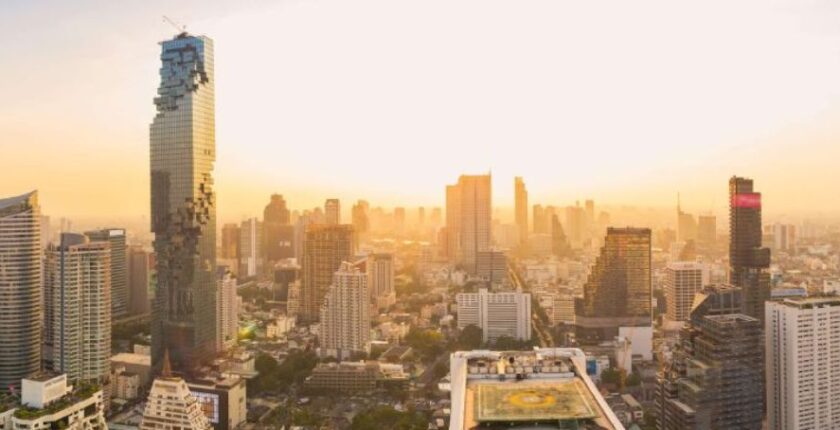
Bangkok, Thailand’s dynamic capital, has long been a magnet for investors and expatriates, offering a mix of traditional charm and modern luxury. In recent years, the city’s high-end real estate market has seen impressive growth, driven by both local demand and international interest. With its luxury condos, penthouses, and lavish villas, Bangkok’s upscale properties are in high demand. Whether you’re an investor, potential homeowner, or simply curious about the market, this insider’s guide to Bangkok’s high-end real estate market will provide you with key insights to help navigate this exciting and lucrative sector.
1. The Appeal of Bangkok’s Luxury Real Estate
Bangkok’s luxury real estate market is not just about high-end properties; it’s about a lifestyle. From sweeping views of the Chao Phraya River to proximity to business hubs, shopping districts, and world-class dining options, the demand for premium properties is growing among high-net-worth individuals (HNWIs), expatriates, and wealthy Thai buyers.
Why the Appeal?
- Prime Location: Central districts like Sukhumvit, Sathorn, and Silom offer unbeatable access to luxury shopping malls, five-star hotels, and international schools.
- Growing Expatriate Community: As the capital of Southeast Asia, Bangkok attracts expatriates seeking top-tier accommodations, and many high-end properties cater to their needs.
- World-Class Amenities: Many luxury developments offer an array of high-end facilities, including swimming pools, spas, gyms, and private gardens.

2. Prime Locations for High-End Properties
When it comes to investing in or purchasing high-end real estate in Bangkok, location is key. Below are the top districts to consider:
- Sukhumvit: One of Bangkok’s most sought-after neighborhoods, Sukhumvit is home to some of the city’s most luxurious condominiums and apartments. Properties here offer great access to international schools, embassies, and major shopping malls like Terminal 21 and EmQuartier. Areas like Thonglor and Ekkamai are particularly known for their high-end residences.
- Sathorn and Silom: Known as Bangkok’s central business district (CBD), Sathorn and Silom are packed with corporate offices, embassies, and luxury hotels. These areas are popular with professionals and expatriates who want to be close to their workplaces while enjoying easy access to high-end shopping centers and dining venues.
- Chao Phraya Riverfront: The riverfront is a prime location for those seeking stunning views and a more tranquil environment. The properties along the Chao Phraya offer unparalleled scenic vistas, luxury condominiums, and high-end villas with access to boutique shopping, top-tier dining, and leisure amenities.
- Ari and Phrom Phong: These are trendy, upscale neighborhoods favored by affluent locals and expats looking for quieter, more residential options, yet still with convenient access to city amenities.
3. Types of Luxury Properties in Bangkok
Bangkok’s high-end real estate market offers a wide variety of options, from sky-high condos to sprawling penthouses and serene riverfront villas. Here’s a look at the types of luxury properties you’ll encounter:
- Luxury Condominiums: High-rise condominiums are the cornerstone of Bangkok’s luxury real estate market. These properties are often located in prime areas and come with top-tier amenities such as fitness centers, rooftop pools, and concierge services. Condominiums are ideal for individuals and families looking for modern, maintenance-free living in the heart of the city.
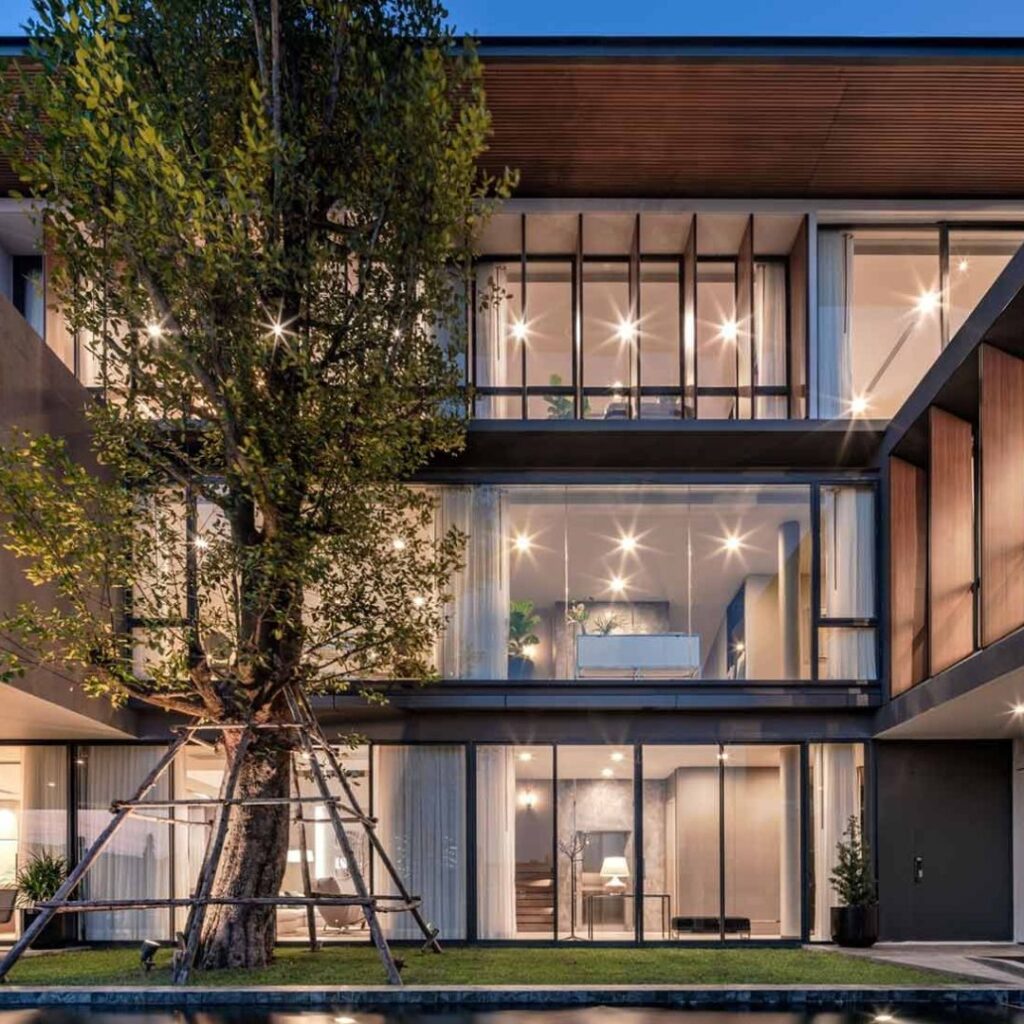
- Penthouses: For the ultra-wealthy, Bangkok’s penthouses are the epitome of luxury. These spacious, multi-floor residences offer breathtaking views of the city and top-notch finishes. Penthouses often come with private terraces, swimming pools, and even home theaters, providing the ultimate in comfort and style.
- Private Villas: Although less common in the central areas, luxurious villas can still be found in neighborhoods like Sukhumvit and along the riverfront. These villas typically come with expansive gardens, private pools, and a level of privacy that condominiums simply can’t match.
- Serviced Apartments: Popular among expatriates and short-term residents, serviced apartments offer luxury living with hotel-like amenities, including room service, housekeeping, and concierge services. These properties often come fully furnished and are ideal for those staying in Bangkok for a few months to a few years.
4. Luxury Property Trends in Bangkok
Several trends are shaping the luxury real estate market in Bangkok. Understanding these can help you stay ahead of the curve, whether you are investing in or purchasing a high-end property.
- Smart Homes and Technology: Many new luxury developments are incorporating smart technology, allowing residents to control lighting, climate, and security systems from their smartphones. These tech-forward homes are highly appealing to both local and international buyers.
- Sustainability and Green Building: Eco-friendly construction is gaining momentum in Bangkok. Buyers are increasingly looking for properties that prioritize sustainability, such as energy-efficient buildings, green spaces, and eco-friendly materials.
- Co-living and Mixed-Use Developments: With a growing trend toward urban living, many new luxury developments are combining residential spaces with office, retail, and leisure areas. This mixed-use approach creates a dynamic community where residents have easy access to everything they need, from dining to fitness facilities.
- Boutique Luxury Developments: While high-rise condos dominate the market, boutique developments are increasingly popular. These smaller, exclusive projects often offer personalized services and a more intimate living experience, attracting those who prefer privacy and luxury without the crowds of larger buildings.
5. Investment Potential and Yield
Bangkok’s luxury real estate market offers strong investment potential. The city’s strategic location in Southeast Asia and its thriving economy make it an attractive destination for international investors. The high-end market also benefits from a growing demand for rental properties, particularly in areas with strong expatriate communities.
- Capital Appreciation: Luxury properties in prime locations like Sukhumvit, Sathorn, and the riverside tend to see steady capital appreciation, especially as Bangkok continues to grow and modernize.
- Rental Yields: While rental yields in Bangkok can vary, high-end properties in sought-after areas typically offer competitive returns. Rental yields can range from 4-6% annually for luxury condos and serviced apartments, with higher returns on short-term rentals or premium properties like penthouses.
6. Legal Considerations for Foreign Buyers
Foreign buyers can invest in Bangkok’s luxury real estate market, but there are legal limitations to keep in mind:
- Condominium Ownership: Foreigners can own up to 49% of the total floor area in a condominium project. This is the most common way for foreign investors to buy property in Bangkok.
- Land Ownership: Foreigners cannot own land in Thailand, but they can lease land for long-term periods (typically up to 30 years) or buy property through a Thai company, although the latter can involve more complex legal procedures.
- Taxation: Foreign buyers should be aware of taxes, including property taxes, capital gains tax on the sale of property, and rental income tax. Consulting with a local lawyer or tax advisor is recommended to ensure compliance with Thai laws.
Conclusion
Bangkok’s high-end real estate market offers tremendous opportunities for investors and homeowners looking for luxury, convenience, and style. With prime locations, an array of property types, and a growing demand for quality residences, Bangkok is an appealing destination for those seeking the ultimate in city living. By staying informed on trends, understanding the legal landscape, and carefully choosing your location, you can make the most of what this exciting market has to offer.
2026 SEO update: Insider’s Guide to Bangkok’s High-End Real Estate Market
Updated for 2026, this guide on Insider’s Guide to Bangkok’s High-End Real Estate Market should be read against a faster-moving wellness market. Recent industry data shows that TAT framed wellness travel through “Healing is the New Luxury” in June 2026, while related research notes that the 20th Global Wellness Summit is scheduled for Phuket in November 2026. For premium wellness travellers, Bangkok operators and hospitality teams, that means the topic is no longer just an editorial trend; it affects hiring, training, client trust, pricing and how people choose premium wellness experiences in Thailand and beyond. The practical takeaway is to connect the article’s original advice with sharper evidence: define the skill or service clearly, explain how it improves guest outcomes, and make the next step easy through spa and wellness recruitment support, browse spa and wellness jobs and Wellness Salary Guide 2026. Thailand is also receiving more wellness attention, with current tourism and wellness news showing that the global wellness economy reached $6.8 trillion in 2024 and is projected to keep growing toward 2029. A stronger SEO-friendly version of this article therefore needs useful internal links, credible references, and clear answers to the questions readers are likely to search before they apply, hire, book or compare options.
HiSoLife internal update
HiSoLife update: this article now connects broader wellness inspiration with practical next steps inside the marketplace. Readers can continue to spa and wellness recruitment support, compare industry expectations in the Wellness Salary Guide 2026, or explore more HiSoLife blog guides. This keeps lifestyle and trend content connected to the site’s core positioning around wellness careers, spa teams and premium service quality.
Related HiSoLife resources
- spa and wellness recruitment support
- browse spa and wellness jobs
- spa industry directory
- Wellness Salary Guide 2026
- HiSoLife blog guides
References and further reading
- Tourism Authority of Thailand, Global Wellness Day 2026 — TAT framed wellness travel through “Healing is the New Luxury” in June 2026.
- Global Wellness Summit 2026 in Phuket — the 20th Global Wellness Summit is scheduled for Phuket in November 2026.
- Global Wellness Institute, 2025 Global Wellness Economy Monitor — the global wellness economy reached $6.8 trillion in 2024 and is projected to keep growing toward 2029.
- McKinsey, Future of Wellness trends survey 2025 — wellness has become a daily, personalized priority across health, sleep, nutrition, fitness, appearance and mindfulness.
Mini FAQ: Insider’s Guide to Bangkok’s High-End Real Estate Market
Why does Thailand wellness travel and premium experiences matter for Thailand’s wellness market in 2026?
The first update is to turn Thailand wellness travel and premium experiences from a broad idea into a clear decision framework. For this article, that means reading Insider’s Guide to Bangkok’s High-End Real Estate Market as practical guidance for what a reader should do next. The 2026 context matters because wellness is no longer a narrow luxury category: Tourism Authority of Thailand, Global Wellness Day 2026 notes that TAT framed wellness travel through “Healing is the New Luxury” in June 2026; Global Wellness Summit 2026 in Phuket notes that the 20th Global Wellness Summit is scheduled for Phuket in November 2026. A reader should therefore ask what outcome the topic supports: better hiring, stronger guest retention, safer treatment choices, clearer compensation, or a more credible career path. The SEO-friendly answer is to make that outcome explicit. Instead of saying that wellness is important, the article should explain how this topic affects consultation, service standards, skill proof, job descriptions, client communication and follow-up. On HiSoLife, the next step should also be visible. A candidate can use spa and wellness recruitment support or browse spa and wellness jobs; an employer can move toward spa industry directory; and both sides can use Wellness Salary Guide 2026 to make expectations more concrete.
How can readers separate a real trend from luxury marketing?
The main risk is treating Thailand wellness travel and premium experiences as a phrase instead of a capability. Search readers usually arrive with a problem: they want to hire someone, get hired, compare a service, understand a skill, or decide whether an experience is worth their time. A weak article answers that problem with generic claims. A stronger article gives criteria. For a spa employer, that may mean checking hands-on technique, consultation language, punctuality, hygiene habits, retail ethics, rebooking behavior and the ability to match a service to a guest’s real needs. For a candidate, it may mean showing certificates, before-and-after case notes where appropriate, training logs, client communication examples and evidence of reliability. Current references support the wider point: Tourism Authority of Thailand, Global Wellness Day 2026 notes that TAT framed wellness travel through “Healing is the New Luxury” in June 2026; Global Wellness Institute, 2025 Global Wellness Economy Monitor notes that the global wellness economy reached $6.8 trillion in 2024 and is projected to keep growing toward 2029. HiSoLife can support that decision path with spa and wellness recruitment support, spa industry directory and HiSoLife blog guides. The practical SEO gain is that the page becomes useful for long-tail searches rather than only repeating the title.
What should wellness operators do after reading this article?
The most important skills depend on the angle of Thailand wellness travel and premium experiences, but the same principle applies across spa, beauty, massage, facial therapy, wellness sales and management: the reader needs proof. Technical knowledge is only one layer. A strong professional also needs consultation skills, client boundaries, product or modality literacy, hygiene discipline, time management and the ability to explain recommendations without pressure. For management and recruitment topics, employers should add structured interviews, practical tests, reference checks and onboarding milestones. For skincare or wellness experience topics, readers should look for credible training, transparent claims and realistic aftercare guidance. This matters in 2026 because Global Wellness Summit 2026 in Phuket notes that the 20th Global Wellness Summit is scheduled for Phuket in November 2026, and because Tourism Authority of Thailand, Global Wellness Day 2026 notes that TAT framed wellness travel through “Healing is the New Luxury” in June 2026. Inside HiSoLife, the article should guide readers toward concrete pages: spa and wellness recruitment support for opportunity discovery, Wellness Salary Guide 2026 for compensation or expectation checks, and HiSoLife blog guides for deeper exploration. That internal structure helps users and search engines understand the topic cluster. For search intent, the useful angle is not only the definition of Thailand wellness travel and premium experiences; it is the practical decision a reader needs to make next. A candidate may need to compare roles, update a profile, or understand which training signals credibility. An employer may need to separate a polished CV from a reliable service professional who can protect guest trust over time. That is why this answer connects the topic to measurable actions rather than broad lifestyle language.
How does HiSoLife connect this topic to practical opportunities?
HiSoLife helps by connecting the informational part of Thailand wellness travel and premium experiences with the marketplace action that usually follows. A blog article can explain the concept, but the reader often needs somewhere to go next. If the reader is a candidate, the useful path is to review open roles, prepare a stronger resume, compare salary expectations and return to the article’s checklist before applying. If the reader is an employer, the useful path is to define the role, publish the job, compare candidates and keep the article as a standard for interviews or onboarding. The internal links in this refresh are designed for that behavior. They point to pages such as spa and wellness recruitment support, browse spa and wellness jobs, spa industry directory and Wellness Salary Guide 2026 with descriptive anchors rather than vague words like “here” or “learn more.” That is better for SEO and for people. It also keeps older articles useful by connecting them to current site assets, including the salary guide and recruitment pages. References such as Tourism Authority of Thailand, Global Wellness Day 2026 and Global Wellness Summit 2026 in Phuket give the article external context, while the internal pathway gives it commercial relevance. For search intent, the useful angle is not only the definition of Thailand wellness travel and premium experiences; it is the practical decision a reader needs to make next. A candidate may need to compare roles, update a profile, or understand which training signals credibility. An employer may need to separate a polished CV from a reliable service professional who can protect guest trust over time. That is why this answer connects the topic to measurable actions rather than broad lifestyle language.
What should readers check before making a wellness decision?
Success should be measured by whether the article helps a reader make a better decision after searching for Thailand wellness travel and premium experiences. For an employer, useful metrics include higher-quality applicants, fewer unsuitable interviews, faster shortlist creation, better retention after onboarding and clearer compensation conversations. For a candidate, useful metrics include profile completeness, applications to better-matched roles, interview readiness and confidence explaining skills. For a wellness or skincare reader, useful metrics include safer expectations, better questions during consultation and a clearer understanding of what evidence supports a treatment or service. The article should therefore avoid exaggerated promises and focus on practical outcomes. It should link to references like Tourism Authority of Thailand, Global Wellness Day 2026 and Global Wellness Institute, 2025 Global Wellness Economy Monitor when discussing market trends, and it should link internally to spa and wellness recruitment support, Wellness Salary Guide 2026 and HiSoLife blog guides when guiding the next step. That combination is what makes the refresh SEO friendly: it improves topical relevance, adds authority signals, creates descriptive internal links and gives the reader enough depth to stay on the page longer. For search intent, the useful angle is not only the definition of Thailand wellness travel and premium experiences; it is the practical decision a reader needs to make next. A candidate may need to compare roles, update a profile, or understand which training signals credibility. An employer may need to separate a polished CV from a reliable service professional who can protect guest trust over time. That is why this answer connects the topic to measurable actions rather than broad lifestyle language.